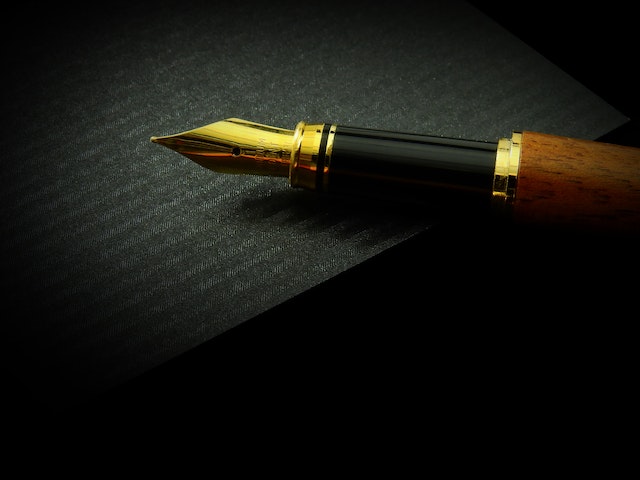
Why would a digital content strategy studio prioritize pen choice -- especially when keyboards rule?
The answer is simple: your chosen pen and ink impact creativity and efficiency. We think with ink. We call it ink-spiration -- the ability to breathe life into every project we take on, beginning with our pens and ink.
Ink-spiration drives our creative process at Broad Nib Creek Studio, and that's why selecting the right pen matters significantly. Each type of pen serves a distinct purpose as we design your content.
While all pens serve the same purpose, there are different types of pens, each with unique features, advantages, and disadvantages. We'll compare three popular types of pens: ballpoint, gel, and fountain pens, highlighting their specific uses and explaining our preferences.
Ballpoint pens
Ballpoint pens are the most commonly used pens in the world. They are easy to use, affordable, and versatile. Ballpoint pens use a small ball bearing at the tip that rolls as you write, transferring ink onto the paper.
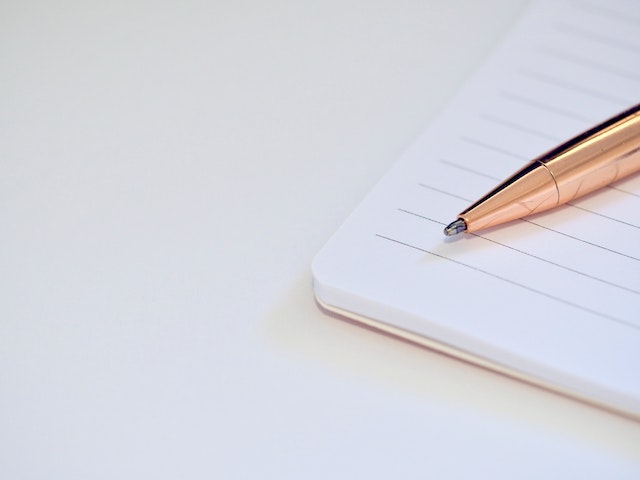
Ballpoint pens are known for their longevity, as their ink is oil-based and dries quickly, preventing it from smudging and fading. Because of their durable and long-lasting ink, ballpoint pens are perfect for daily use, especially for jotting down notes and writing on surfaces other than traditional paper, such as envelopes or post-it notes.
Some illustrators and writers complain that ballpoint pens produce thick, pasty ink splotches. The ink feels less fluid than other ink options. Many writers attribute the demise of handwriting to this sticky ink. Pushing a ballpoint pen in swirls and loops across pages of notes is tiresome, and the creatives in our studio shun these pens.
Our finance director adores ballpoint pens because they are durable and efficient.
Gel Pens
On the other hand, gel pens are a newer type of pen that uses water-based ink, which is thicker and more opaque than traditional ballpoint ink. It also writes and draws more smoothly.
Popular among artists and designers because they can produce vibrant colors on various surfaces, including glossy paper and plastics, gel pens combine affordability and writing ease.
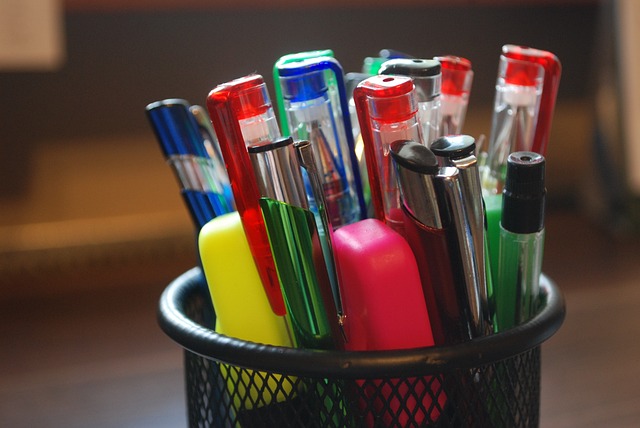
The ink of gel pens takes longer to dry than ballpoint pens, but it is less prone to smudging. Gel pens are ideal for writing on invitations, cards, and other documents requiring personalization and creativity. Many writers find them to be the perfect balance between the ballpoint pen and the fountain pen. They're a favorite go-to at BNCS because the ink flows fluidly and smoothly for quick note-taking and idea generation, whether we're writing or sketching.
For fast work over long periods, nothing beats the gel pen.
The Fountain Pen
Fountain pens, also known as "ink pens," have been around for centuries and are considered the most elegant and sophisticated of all pens. Many artists, writers, and collectors favor them.
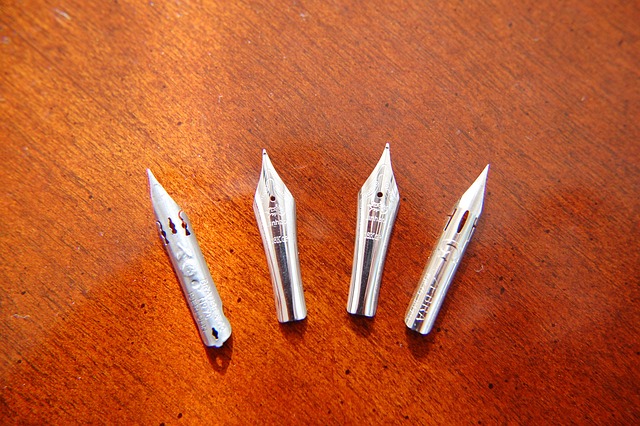
Known for their smooth writing experience and ability to produce beautiful, calligraphic writing, fountain pens use a nib (a metal tip) that draws ink from a reservoir and distributes it onto the paper via capillary action (which is also the name of the Broad Nib Creek Studio blog).
Easy Ink
Fountain pen ink is a water-based dye, resulting in a consistent and continuous line that flows easily from the nib. These pens require more care and attention than others but are perfect for formal writing and personal correspondence. Because the nib, or the tip of the pen, glides over the paper effortlessly, the consistent and even ink flow results in a more personalized writing style and reduces hand fatigue. They are also a sustainable option for writing.
At the studio, we refill our pens with ink cartridges or bottled ink, reducing the waste generated by disposable pens.
Bespoke Tools
If you're looking for a greater range of customization and personalization, fountain pens are the way to go. They come in a variety of nib sizes, from extra fine to broad, allowing the user to choose the perfect nib for their writing style and needs.
Aesthetic Appeal
Fountain pens have an aesthetic appeal that many people find attractive. They come in various materials, including metal, plastic, and resin, and they can feature intricate designs and patterns. Many fountain pen enthusiasts also enjoy collecting and displaying their pens, making these tools not just a writing instrument but a work of art.
Can you guess our pen of choice at the studio?
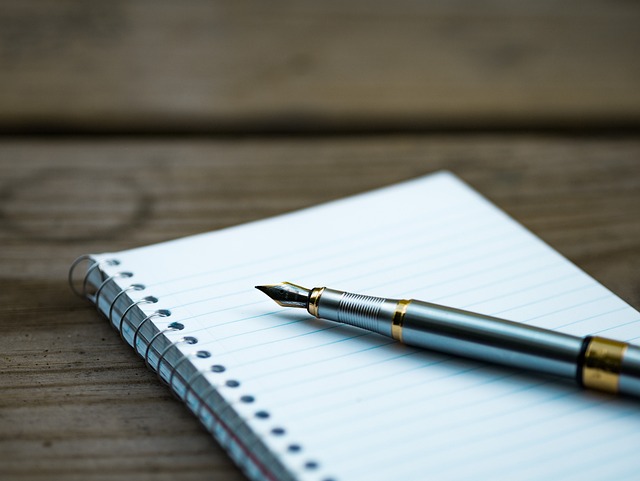
You're correct if you said "fountain pen." The preferred everyday workhorse is a brass barrel containing antimicrobial properties.
Thinking with Ink
Not all of our work is digital, so ink quality also matters significantly to our calligraphers, artists, and writers because it affects their work's appearance, durability, and legibility.
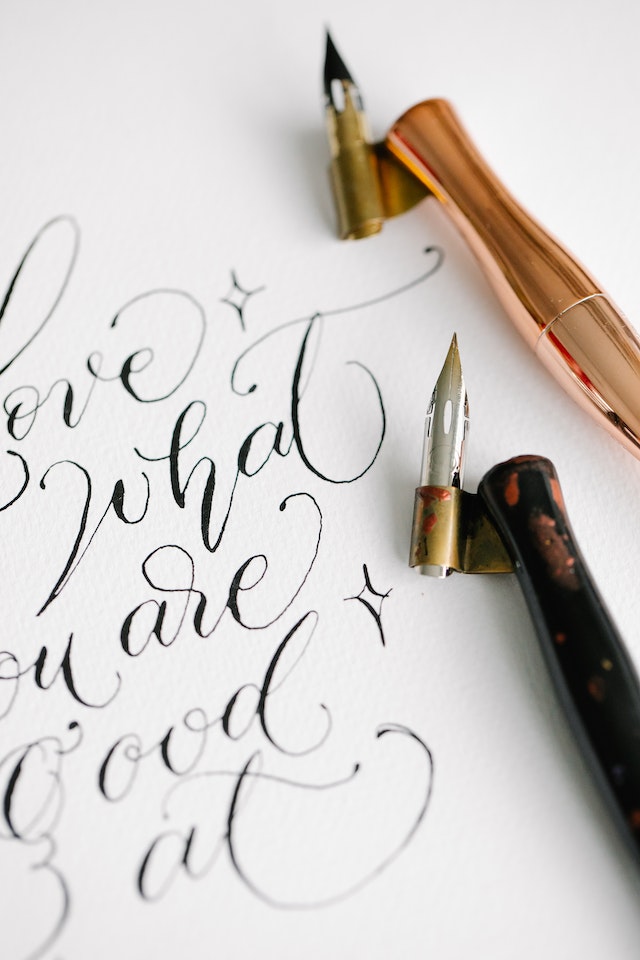
Ink that is low-quality, runny, or fades easily can ruin a piece of art, no matter how skilled the artist is. High-quality ink, on the other hand, can enhance the beauty and longevity of the work. An ink that smudges easily frustrates illustrators beyond belief. In addition, low-quality ink can also damage the writing instrument, leading to costly repairs or replacements.
The color of our ink can matter just as much as the quality. Many of us prefer to sketch in Noodler's Black, and some writers rely on signature ink colors, such as Diamine's Wine Divine, Noodler's Baystate Blue, or J. Herbin 1670 Emerald de Chivor.
Roll out the Barrel
Pens are an essential writing instrument used in daily life, made from various materials such as wood, metal, plastic, and cellulose. Each of these materials has unique features and advantages that make them useful for different purposes.
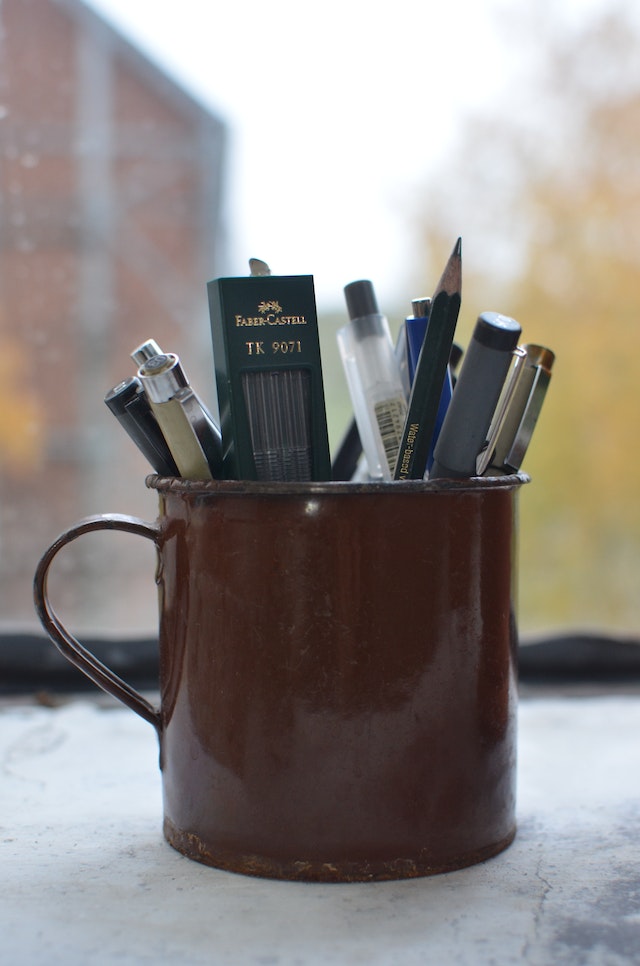
- Wooden pens are popular for their classic and elegant appearance. They are often handmade and can be customized with unique designs, making them an excellent option for gifts or special occasions. Wooden pens are also lightweight and comfortable to hold, making them ideal for long writing sessions.
- Metal pens, on the other hand, are known for their durability and strength. They are often used in professional settings and have a sleek and modern appearance. Metal pens are resistant to wear and tear, making them a popular choice for people who are rough on their writing instruments.
- Plastic pens are the most affordable and widely available type of pens. They are lightweight, easy to carry around, and come in a wide range of colors and designs. Plastic pens are perfect for everyday use, and they are often used in schools and offices due to their affordability.
- Celluloid pens, also known as biodegradable pens, are made from natural plant fibers and are a more sustainable alternative to traditional plastic pens. Cellulose has been used in the manufacture of fountain pens since the early 20th century. In 1908, the L.E. Waterman Company introduced the first celluloid fountain pen, which quickly became popular due to its durability, affordability, and ability to be molded into various shapes and colors. It was the perfect material for making fountain pens at the time, as it could be easily molded into intricate shapes and patterns, and was also resistant to cracking and breaking. This material is durable and has a smooth writing experience, making them an excellent option for environmentally conscious individuals. In the decades that followed, celluloid remained a popular material for fountain pen production, and many well-known pen manufacturers, such as Parker, Sheaffer, and Montblanc, used celluloid in their pens. Today, while celluloid is still used in some fountain pens, it has been largely replaced by other materials such as resin and acrylic. However, the influence of cellulose-based materials can still be seen in the world of fountain pens, and it remains an integral part of the history and evolution of the writing instrument.
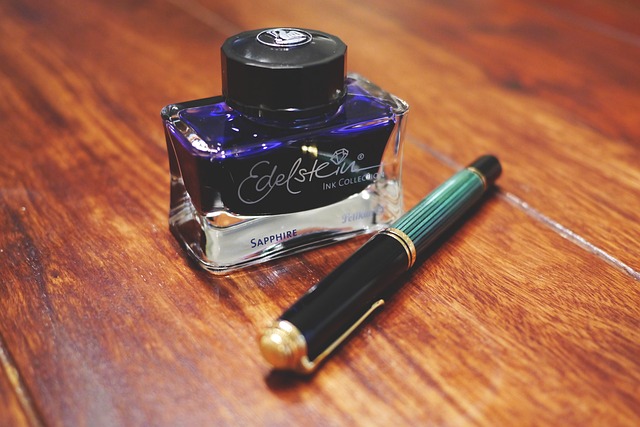
- Acrylic and resin are popular materials for making pens because they offer several advantages over other materials such as metal, wood, or plastic. Acrylic and resin are good choices for pens because they are lightweight, durable, versatile, and come in a wide range of colors and patterns. These materials are also easy to shape, making them popular among pen manufacturers who appreciate their flexibility and potential for customization.
Each type of pen has its advantages and disadvantages, and the choice of pen material depends on the individual's needs and preferences. The usefulness of pens made from wood, metal, plastic, or cellulose depends on the specific purpose and preference of the user. Wooden pens are elegant and customizable, metal pens are durable and professional, plastic pens are affordable and versatile, and cellulose pens are sustainable and eco-friendly. Pens can be made from almost anything, including bone, precious metals, porcelain, and even glass.
Ultimately, the choice of pen comes down to personal preference and the specific use case.
Therein lies the ink-spiration!