
In the dynamic landscape of today's professional world, where remote work has become increasingly prevalent--and preferred-- the need for well-defined policies and procedures has never been greater.
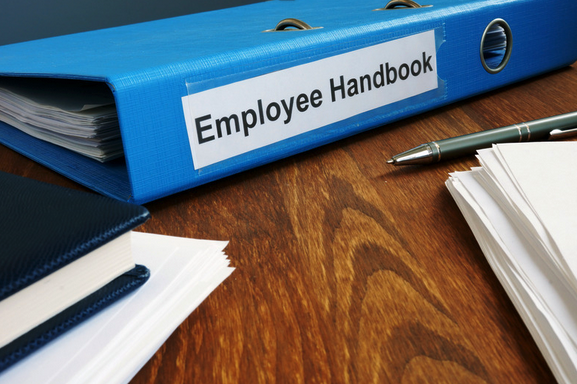
A policy manual for remote workers serves as a comprehensive guide for employees and management, outlining the organization's rules, expectations, and protocols. Also known as an employee handbook, the policy guide is a written document detailing an organization's policies, procedures, and guidelines.
That's where many policy manual writers go astray. Well-intentioned managers try to include every possible scenario in the manual. The manual can become overwhelming for the person writing it and everyone else trying to make sense of it in a short time.
Your policy manual should serve as a centralized resource for employees to understand their workplace's rules and regulations and clarify expectations. Policy manuals typically cover a wide range of topics, including but not limited to employee code of conduct, attendance and leave policies, communication guidelines, performance expectations, and data security protocols.
Policy Manuals for Remote Employees
However, the significance of policy manuals becomes even more pronounced in the context of remote work. Remote work has unique challenges and requires specific guidelines to maintain productivity and foster effective communication. Remote workers often operate outside the traditional office environment, making it imperative to establish clear boundaries and expectations.
Here's why policy manuals are especially essential for remote workers:
- Consistency and Alignment: Remote teams often work across different time zones, making it vital to establish consistent policies and procedures. A policy manual ensures that all remote employees have access to the same information, reducing ambiguity and creating a unified work culture.
- Remote-Specific Policies: Remote work introduces additional considerations such as cybersecurity, data protection, and communication protocols. A policy manual can address these unique challenges and provide remote-specific policies to safeguard company and customer data, establish secure communication channels, and outline best practices for remote collaboration.
- Clarifying Expectations: Remote work often grants employees greater flexibility but requires them to be self-disciplined and accountable. A policy manual can define expectations regarding company-owned equipment use, work hours, response times, and deliverables, ensuring that remote workers understand their responsibilities and the expected level of commitment.
- Promoting Work-Life Balance: Remote work blurs personal and professional life boundaries, leading to potential burnout. A policy manual can emphasize the importance of work-life balance, encourage employees to take breaks, set boundaries, and establish clear guidelines on when and how employees should disconnect from work.
- Fostering Communication: Effective communication is the lifeblood of remote teams. A policy manual can outline communication channels, including preferred tools and response times, to ensure remote workers stay connected, collaborate efficiently, and maintain strong lines of communication with colleagues and supervisors.
Vital for organizations in any industry, policy manuals provide a comprehensive set of guidelines and policies that promote consistency and transparency. Your employee handbook is a living document defined by your work culture, your organization's needs and changes in law.
Policy manuals are especially crucial for remote workers as they address the unique challenges and requirements of working outside the traditional office environment and contribute to a positive remote work experience, increasing productivity and employee satisfaction.
What goes in the policy manual?
Because it's tempting to overwrite your handbook, begin with the basics. You can use these questions to guide your policy manual sections.
- Who we are: Include your organization's history, mission, vision, and values. It's not enough to say, "We live it every day." Employees, especially your remote workers, need definition and description.
- What we do: Tell employees your expectations for their work, including breaks, dress code for customer-facing employees, and use of equipment.
- Why we do it: Explain the service your organization provides.
- Where we work: Establish which departments work on-site and which may be remote or hybrid. Remote workers require specific guidelines regarding their schedules so they can maintain a healthy work-life balance.
- When we work: Outline the hours of operation and deadlines for teams/individuals to complete their work.
- How we work: Include legal updates (FMLA, hiring, compensation, termination) and nondiscrimination policies.
Although optional, a FAQs sheet may prove handy for your employees. Include it as an appendix or post it online for your employees to find quick answers to their policy questions.
If you're a small organization, who writes the policy manual?
Small companies can significantly benefit from hiring a content strategist to write policy manuals. A content strategist brings expertise in organizing and presenting information clearly, concisely, and engagingly. They have the skills to assess the company's specific needs, understand its culture, and tailor the policies accordingly.
Content strategists design policy manuals to be user-friendly and easily accessible, ensuring employees can easily navigate and understand the guidelines. Content strategists excel at crafting concise yet comprehensive language, avoiding jargon and unnecessary complexity. They can structure the content logically and intuitively, making it easier for employees to find the necessary information.

Additionally, content strategists can ensure that the policy manuals adhere to best practices, industry standards, and legal requirements. They can incorporate the company's values and tone of voice into the documents, aligning them with the brand identity.
By hiring a content strategist to write their policy manuals, small companies can save time and effort while ensuring their policies are professionally crafted, effectively communicated and tailored to meet their organization's specific needs.
Policy manuals are essential for all organizations, regardless of size or industry. These manuals provide a framework for standardization and help ensure that everyone within the organization operates on the same page. They promote fairness, consistency, and transparency, crucial for maintaining a positive work environment and avoiding conflicts or misunderstandings.
Your investment in quality documentation will contribute to a positive work environment, enhance employee understanding and compliance, and ultimately support the company's growth and success.