As it turns out, publishing a book is a marathon, not a sprint.
If you know you know, but I had to learn that lesson the hard way — and I’m glad I did. My publishing journey did not follow a traditional path. Because I’m (a) impatient and (b) a control freak, I chose to self-publish.
How hard could it be?
Self-publishing allows authors like me to release books without a traditional publisher, often through platforms like Amazon KDP, IngramSpark, Draft2Digital or others.
While indie publishing has grown popular and become a successful endeavor for many, it comes with more than a few notable challenges.
Common Drawbacks of Publishing a Book the Indie Way
I began writing A Sojourner’s Cancer Chronicles: Humor, Hope and Healing in 2025.
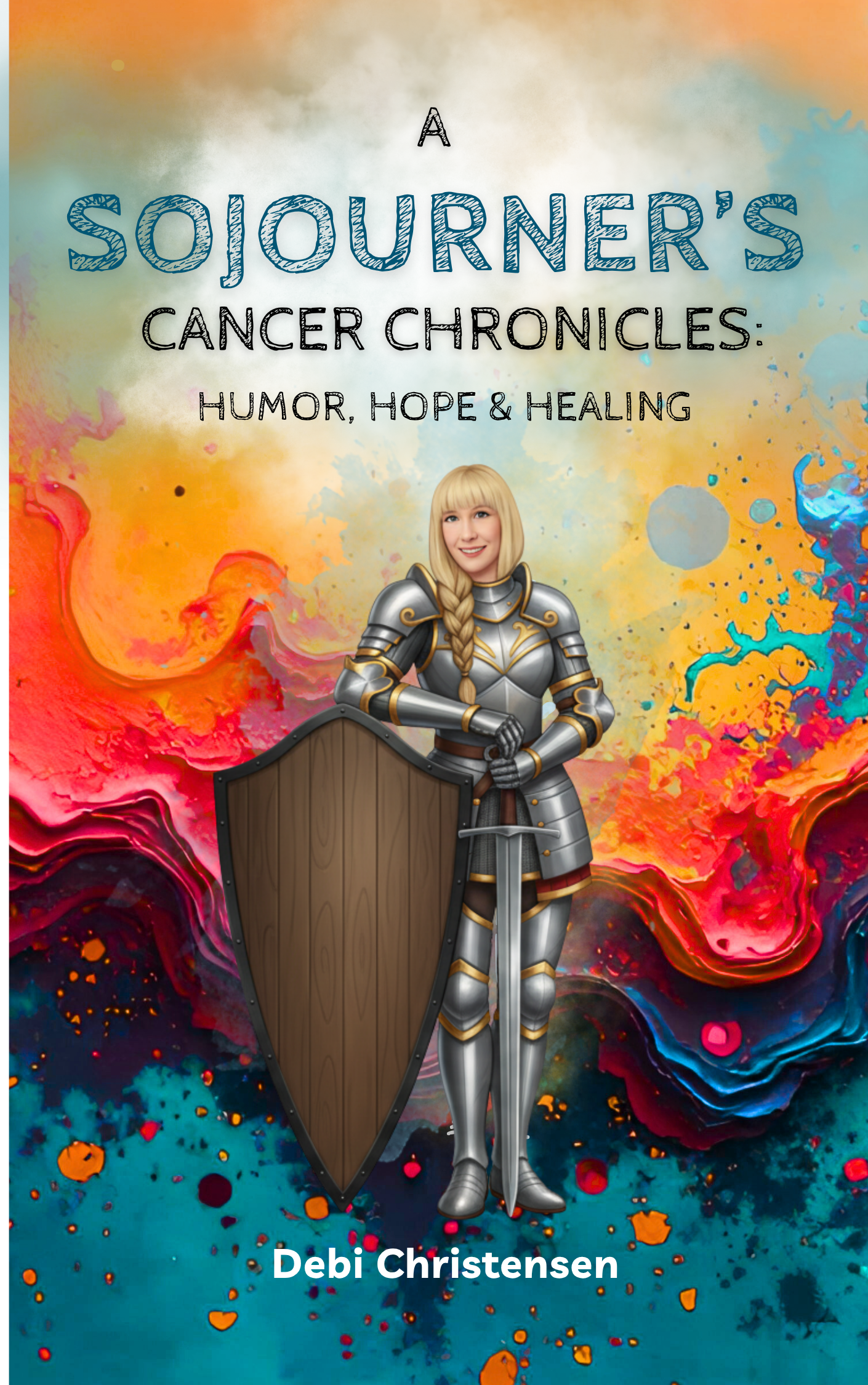
I had just completed an intensive course of chemotherapy and radiation, which left me clinging to my sofa in an effort to recover while remaining alive. With continued encouragement from friends and family, I spent the first half of the year alternating between sleeping and writing.
Here’s what I learned.
1. Begin the Writing Process and Commit to It
Starting the writing process when I did helped me make sense of the whirlwind —from diagnosis to treatment and then on to recovery — I had been through. Fortunately, I had the journal I carried to every appointment. The pages contained notes, questions, and endless thoughts that kept popping up.
After the notebook served its purpose, I kept writing, in part because I wanted to remember what I had been through. But mainly, my writing accountability coach would not let up. Her perseverance helped me finish the book and get it published. (Let me know if you need a bit of sandbagging to get your book written; she's available!)
2. Proofread, Revise, Proofread, Revise
After months of writing, I completed the last chapter and called the book done.
But finishing (whew!) was not enough.
The manuscript went through developmental and copyediting, plus multiple rounds of proofreading (what do you mean there are still two periods at the end of a sentence?). That meant changing chapter order, repositioning paragraphs and taking apart sentences only to stitch them back together again.
Then there was the book's design: images and a cover. It wasn't enough to tell the story; it had to be packaged for publication. That meant coming up with the image concepts and fleshing them out. Everything I knew about color, values and pixels was put to the test as I gradually refined my images.
The first cover proof contained 400 digital errors; I finally reduced them to three.
3. Uploads Are a Multi-step Process
Unless you are exceptionally patient, set up your publishing platform accounts before you finish your writing.
Of course, that’s not what I did, and I wish I had. Instead, my plan was to complete the book, create my media assets (images), and then establish platform accounts.
What a mistake.
I failed the biometric testing process for one platform and then spent two weeks explaining to AI bots via multiple emails that, of course, my face looks different from the photo on my driver’s license. Having a Real ID made zero difference. Cancer changes the way one looks, but the bots denied my access. I will never be able to publish on that platform — even though I can sell on it.
The second platform was far easier to work with, but each step required waiting for approval, which took anywhere from days to weeks.
The lesson is this: going from creative writing to a completed book demands way more time than you think you need.
Start early.
4. Writing and Selling Are Not the Same
As arduous as writing a book can be, that's the easy part. The real work begins when you write (and proofread) the last word.
You will have to market your book (yes, even if you publish with a traditional publisher). If you self-publish, you must research SEO keywords, gather metadata, and launch effective social media campaigns to stand out in a densely populated field. Your book will compete against approximately 9,000 other books published daily.
Therefore, building a reader audience requires consistent effort to post ads, gather email lists, and develop a robust reader base.
5. Publishing is Never Free
People ask me all the time: “How do I publish my book for free?”
I want to commiserate with them because writing a book is no simple feat. However, there is no such thing as free. Even if you decide to use a gratuitous ISBN from Amazon or another platform, you will have plenty of other expenses before you can call yourself a published author.
My endeavor included purchasing ISBNs from Bowker; one for print and one for the digital version. A 10-pack is $295. I relied on Canva Pro ($120/year) for images and Attitucus ($147/life) for formatting. That investment does not include my time spent researching and writing -- or marketing.
Maybe your publishing expenses will be lower. However, unless you can do the work yourself, you may incur out-of-pocket expenses for professional editing, cover design, formatting, proofreading, marketing, and advertising. These expenses can add up to thousands of dollars, and there's no guarantee you'll recoup your investment through sales.
And then here's the ugly truth:
Book publishing is a risky business, full of hiccups and warts. In a perfect world, you’d write an amazing book, pass your biometric testing, upload your documents, and make a gazillion dollars.
However, most self-published books don't sell enough copies to be highly profitable. You bear all the risk, and while royalties per sale are higher, many authors see modest or no net profit after costs.
Is Self-publishing Worthwhile?
For me, the answer is undoubtedly YES.
Learning new skills that require fast onboarding excites me, so I was in my element. Roadblocks presented puzzles to unlock, not barriers to publication.
Creatives with a similar entrepreneurial spirit may come to the same conclusion, but self-publishing a book might not be for everyone. That's okay, because today’s technology offers would-be authors plenty of publication choices.
Fortunately, anyone can still pursue the traditional publishing route, which requires finding an agent and a publisher. Gaining traction may take longer, but it's still an option. Some writers favor a hybrid approach, hiring experts to help with editing, cover design, or even the self-publishing process, in whole or in part.
Beware of companies that charge excessive publishing fees with limited results — and other scams. The Science Fiction and Fantasy Writers Association sponsors a website where you can check vanity publishing organizations and other scams targeting writers. Trust but verify.
Jump In, the Water’s Fine
Self-publishing suits authors who enjoy entrepreneurship, have marketing skills or a willingness to learn, and want flexibility. Indie publishers retain complete writing control, they get their books in the hands of readers quicker, and their willingness to take a risk can result in higher royalties — as much as 30-70% instead of the more conservative 10-15% reedsy.com from traditional publishers.
Publishing success often takes more than good writing skills and the ability to tell a story.
Writers intent on making money should treat the work like a business (investing wisely in quality and promotion). Many authors hybridize—self-publishing some books while pursuing traditional deals for others.
The ultimate goal? Keep writing, and find the platform that best fits your budget and tolerance for uncertainty.
You, too, can be a published author.
And if you are so inclined, pick up a copy of my cancer-survivor memoir on Amazon, Barnes & Noble or purchase it directly from this QR code: