Edtech writing and podcasting about AI are not unrelated.
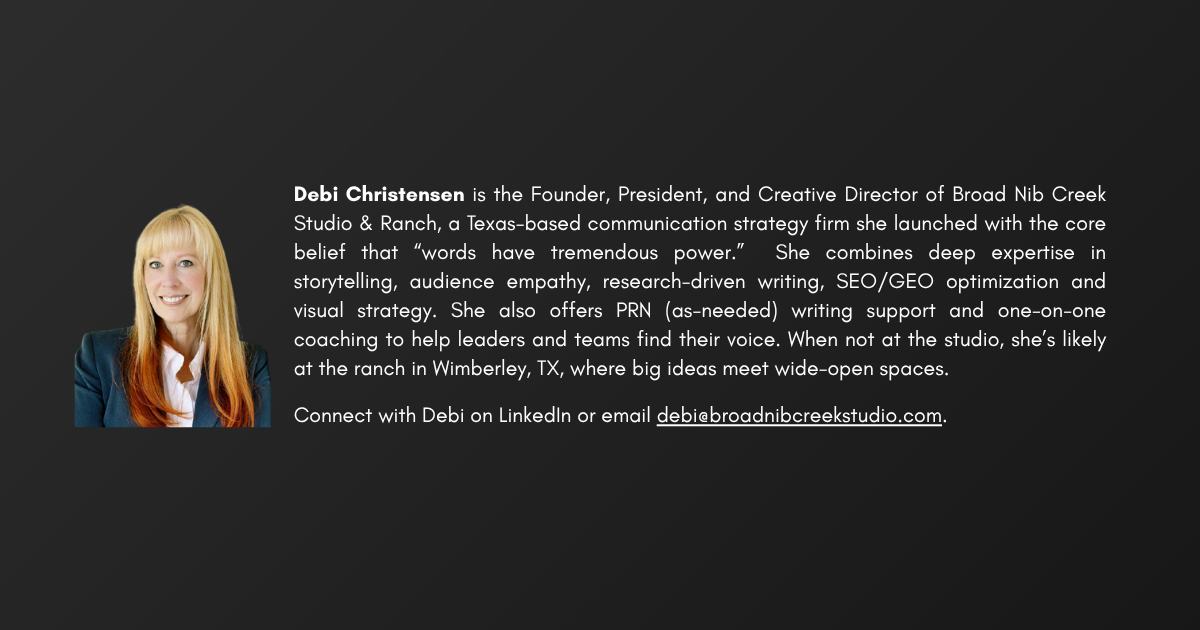
I’ve spent years at Broad Nib Creek Studio helping clients turn complex ideas into clear, powerful words that actually connect with people.
My work in edtech writing and co-hosting “The Digital Horizon” podcast aren’t two separate pursuits—they flow together like a creek after a good rain, each one feeding the other and making the current stronger.
When I sit down to write for edtech companies, curriculum developers, or tech-adjacent clients, the job is straightforward but never simple. I craft website content that stays compliant, marketing materials that generate real leads, and articles on parenting, education, and program improvement.
Edtech Writing for the Real World
I’ve interviewed VPN engineers around the world, written tech reviews, and built AI training sessions for clients tasked with training aspiring users.
Clients tell me the work feels original, practical, and grounded in real life. That kind of writing demands the same things every strong piece of communication needs: deep research, audience empathy, clear storytelling, and the ability to make technical concepts feel approachable without dumbing them down.
Whether I’m optimizing for search engines or shaping messaging that inspires action, the goal stays the same—help busy professionals communicate value, drive engagement, and support genuine learning outcomes.
Good content and design don’t have to be expensive; they have to be effective.
Enter Podcasting
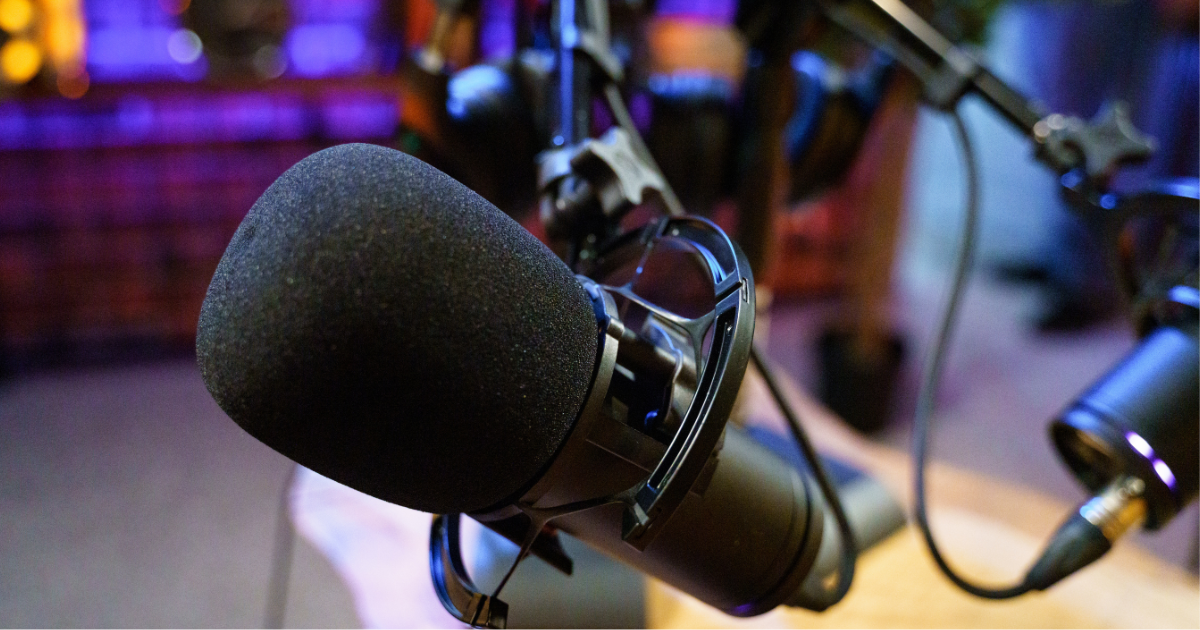
On the other side of the desk, I co-host “The Digital Horizon” with CJ Burken.
We explore “navigating the complex currents of our technological future,” with a heavy focus on AI—its literacy, the flood of tools hitting the market, governance questions, data infrastructure, strategy alignment, and the very human issue of who gets included and who risks getting left behind.
Then there's reframing AI in ways that reduce fear (sometimes calling it something as plain as “Fancy Calculator 2.0”), turning people into “augmented super-workers,” and making sure the conversation stays practical, inclusive and often, irreverent.
Blending Two Approaches to Content
These two parts of my work fit together so naturally because they share the same core territory: technology, learning, and clear human communication.
Edtech writing is all about showing how tools and platforms can enhance education, build skills, and unlock human potential. The podcast dives straight into the same waters in the age of AI.
AI literacy isn’t just a buzzword—it’s an educational imperative.
Questions about inclusion, exclusion, and equitable access echo the same concerns I’ve addressed in curriculum and program work for years. My experience translating edtech concepts into engaging narratives gives me both the insight and the language to break down nuanced topics like AI governance or data strategy on the air, keeping the conversation accessible and useful rather than overwhelming.
Co-hosting the podcast also feels like a natural extension of the content creation I do every day for clients. Scripting episodes, planning discussions with CJ, preparing thoughtful questions, and shaping the overall messaging all draw on the same storytelling muscle I use when writing SEO-rich articles or branded website copy.
Each episode becomes a living piece of content—turning abstract ideas into dynamic conversations that reach listeners in a fresh, ongoing way.
The interplay creates a strong feedback loop. Research and writing I do for edtech and B2B tech clients often spark episode ideas. In turn, the explorations CJ and I have on “The Digital Horizon”—talking with guests, digging into real-world applications, and examining cultural shifts—generate fresh insights and case studies I can bring back into client projects.
It keeps the work alive and relevant.
The Real Benefits of Writing and Podcasting
More than that, the podcast builds thought leadership that benefits everything I offer through the studio.
Clients in education and technology see that I’m not just a writer-for-hire; I’m actively engaged with the emerging trends shaping their world. They know I’m wrestling with the same questions they face—how to adopt new tools without losing the human element, how to communicate clearly in a noisy digital landscape, and how to expand horizons rather than narrow them.
At the same time, the hands-on edtech projects keep me grounded. Crafting assessments based on real-life scenarios or writing articles that help parents and educators navigate change reminds me that technology ultimately serves people, not the other way around.
That perspective makes the podcast conversations more authentic and practical.
Both sides of my work speak to the same audiences: educators adapting to new tools, professionals trying to stay ahead of digital change, businesses adopting technology thoughtfully, and lifelong learners who refuse to get left on the shore.
Whether I’m delivering written content that educates and persuades or sharing audio conversations that spark ongoing dialogue, the mission remains consistent: make complex ideas clear, actionable, and human-centered.
Always.
Client feedback often mentions how the work “expands horizons” or draws readers in while making things flow naturally. That same spirit drives the podcast. As AI is reshaping education, work, and daily life, I get to help people navigate those currents with clarity and confidence—sometimes from behind the keyboard, sometimes from behind the microphone.
At Broad Nib Creek Studio, we’ve always believed words have tremendous power.
My edtech writing provides the steady foundation of communication craft I’ve honed over years of client projects. Co-hosting “The Digital Horizon” with CJ Burken amplifies that craft through public dialogue, letting me explore technology’s role in society and learning in real time.
They don’t compete.
They reinforce each other.
Practical, behind-the-scenes content creation meets forward-looking conversation about our technological future. Together, they let me do what I love most: help others expand their own horizons—one clear word, one thoughtful discussion at a time.